Toyota: Connected Vehicle Strategy & Hardware Prototyping
Toyota was defining the in-car digital experience for its next vehicle platform. Adoption of its existing connected services was low, and smartphone platforms were reshaping what drivers expected from the dashboard. Toyota’s access to its own vehicle systems and data gave it a range of options. The strategic question was which of those capabilities could support services that drivers would value enough to use.
- Client
- Toyota
- Deliverables
- Functional Head Unit PrototypesHigh-Fidelity DesignsCustomer ValidationProduct Strategy
- Year
- 2021
- Role
- Strategy, Design, Engineering & Validation
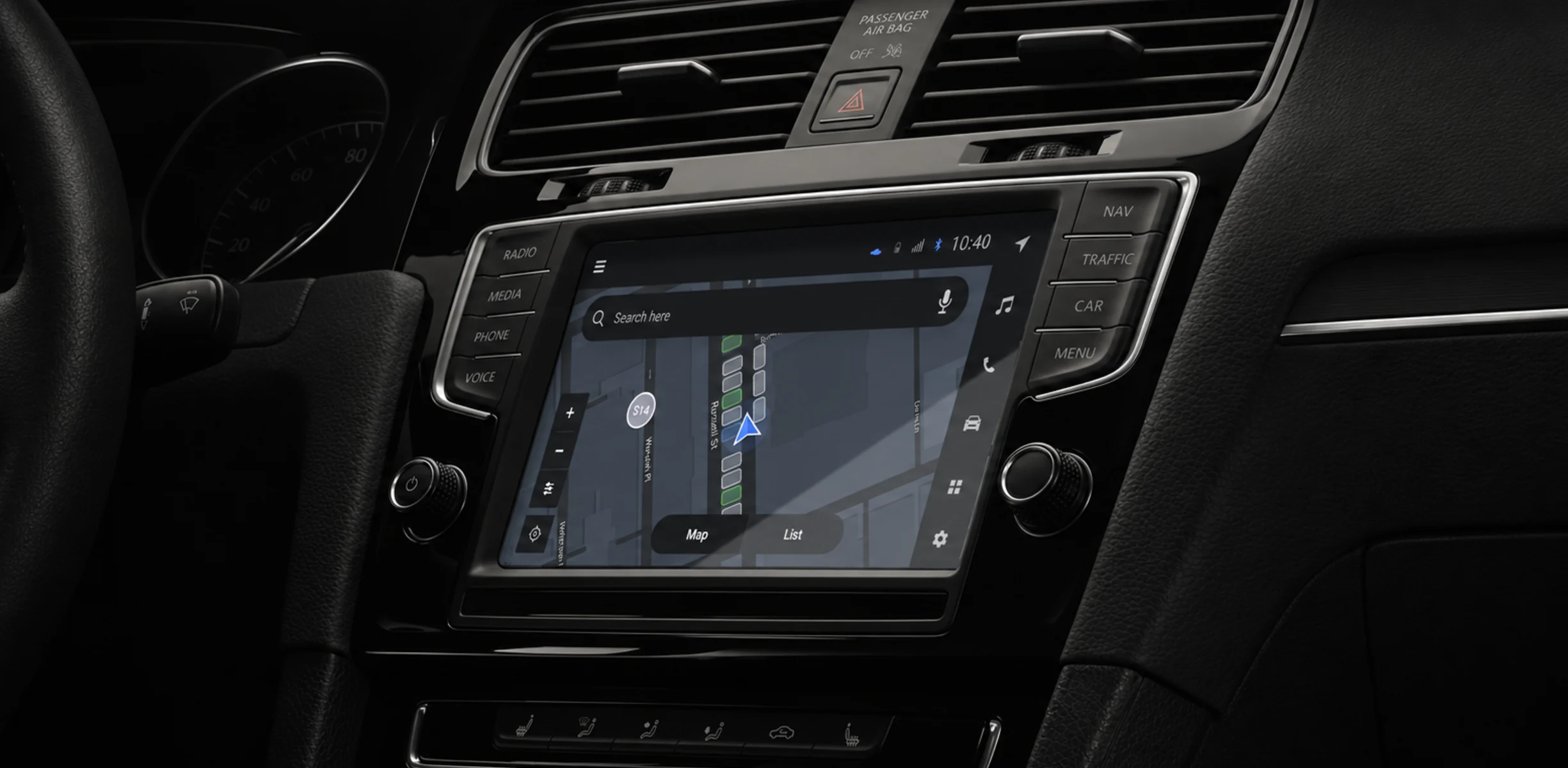
Over six weeks, I developed and tested dozens of connected service concepts, then designed and engineered in-car prototypes for the most promising ones. I drew on my knowledge of vehicle architecture and CAN bus networks to assess what each concept required from the vehicle.
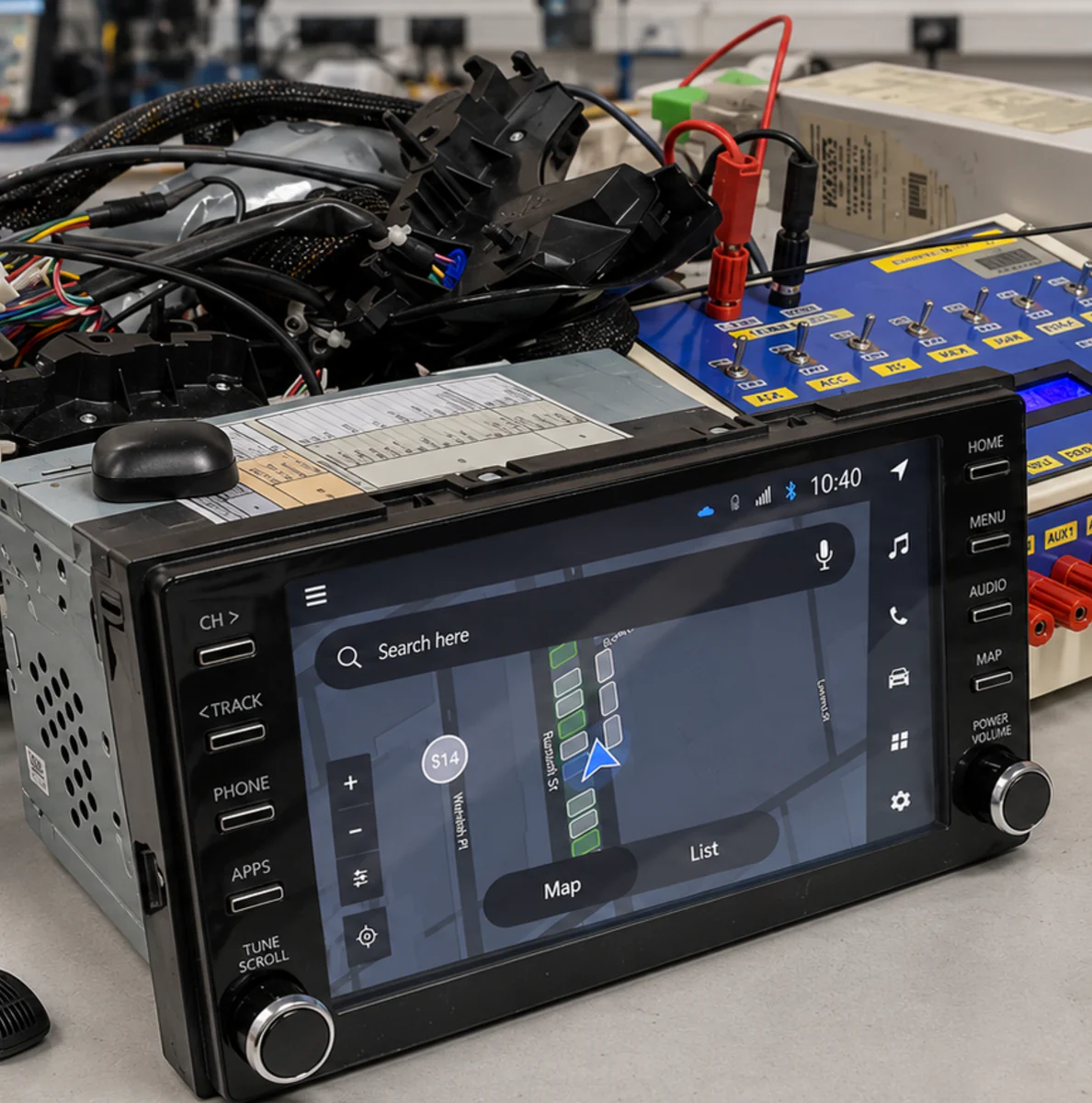
Prototyping on a bench rig with an automotive head unit and testing in the car with customers allowed me to evaluate technical feasibility and customer desirability together. Both informed which services I recommended Toyota pursue.
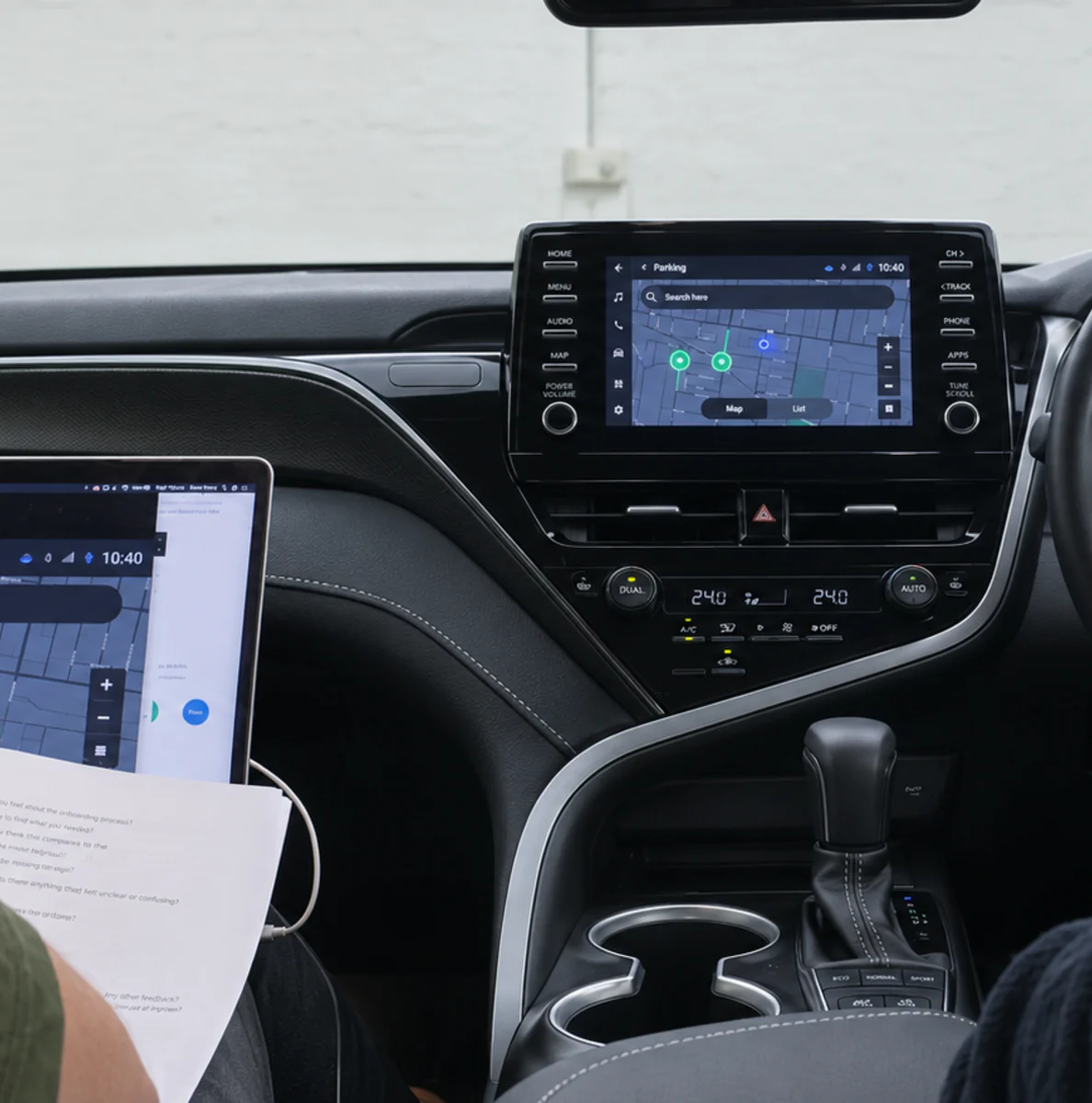
Toyota used the findings to prioritise connected services for its next platform. Customer feedback gave the team a rationale for investing in particular features, while the tested prototypes showed how those features could work within the vehicle. That work shaped the platform’s product direction, and designs I created during the engagement are now part of the in-car experience in Toyota production vehicles.